Feature available for : 🔷 Facilitators 🟨 Administrators
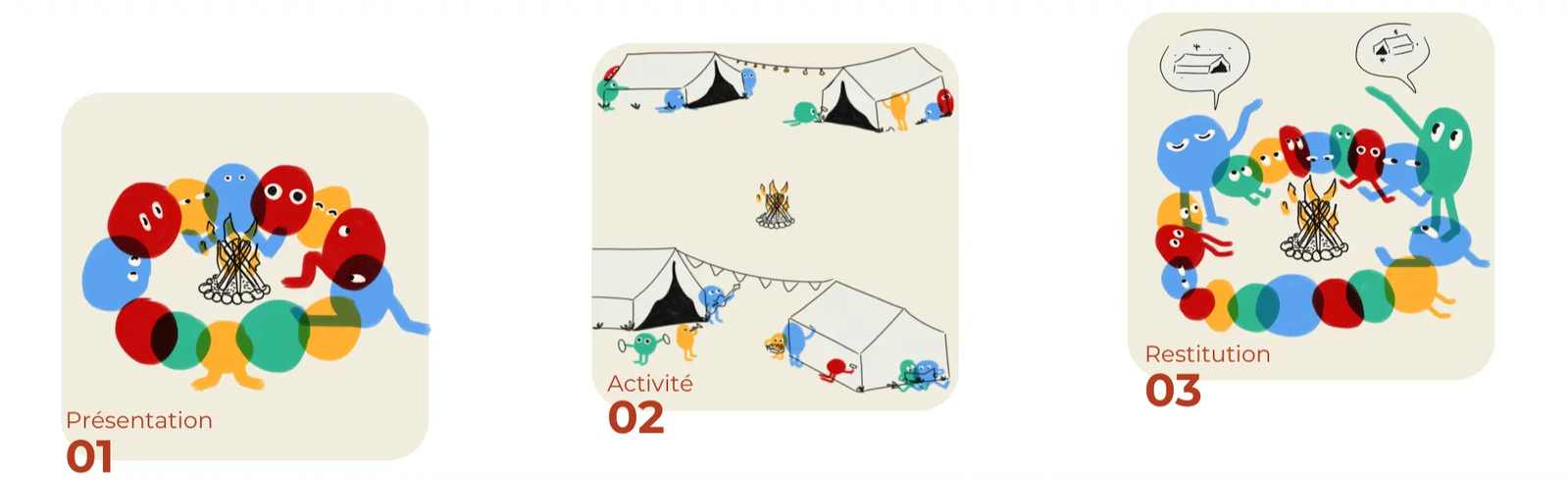

3 steps, is that all?
It's a common misconception that the Glowbl Sequence is only useful for complex workshops, but the majority of your sessions naturally follow 3 main phases:
- An introductory and knowledge-building phase
- An activity phase in which participants work in sub-groups.
- A restitution phase to share results and conclude.
Add 1, 2 or 3 in front of each phase and you get... a sequence! And whatever the subject, whatever the pedagogical objective of your session, the parameters required for each phase will always be more or less the same:
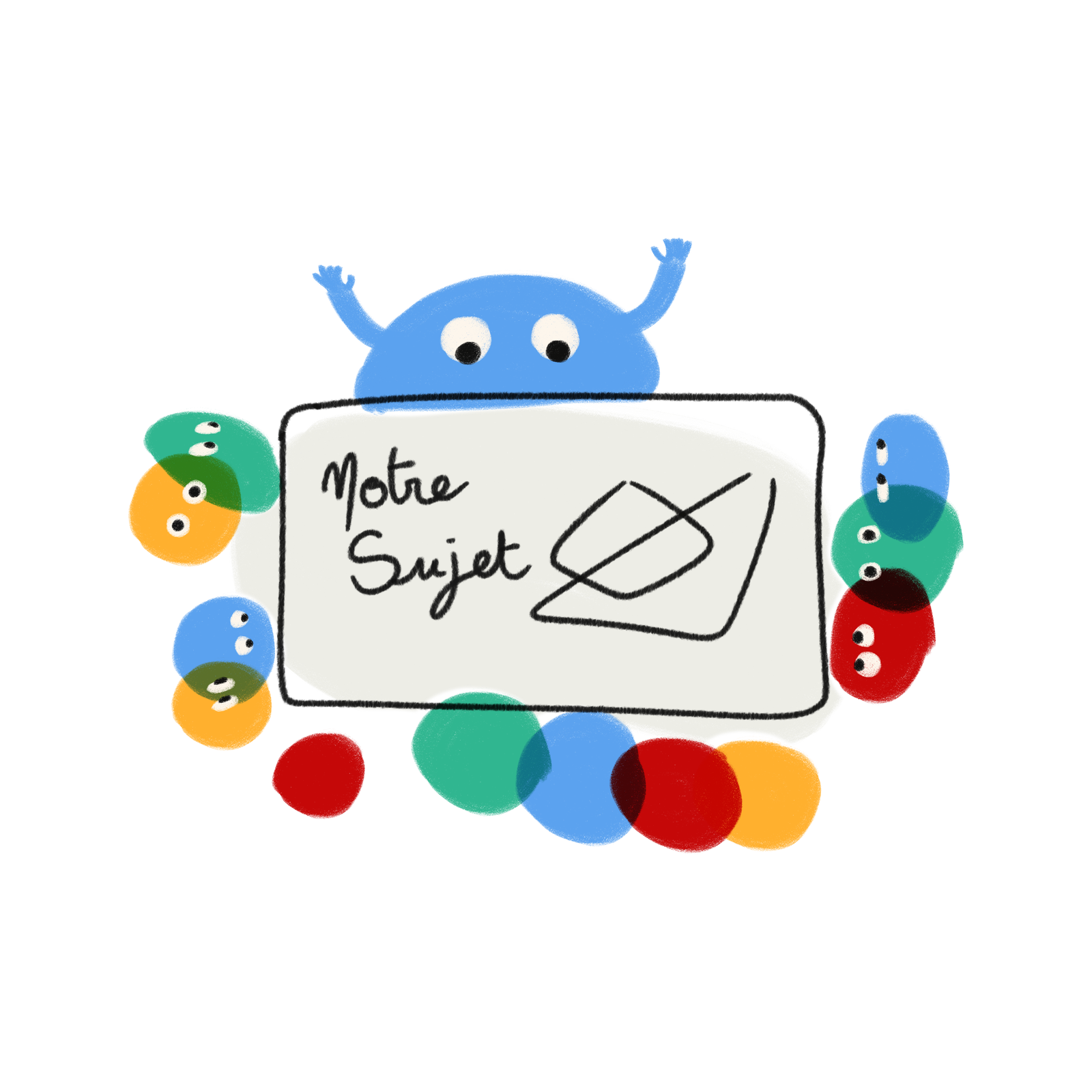
1. Presentation: at the main table, you present the session and its subject using a PDF. To prevent participants from scrolling through your slides, their rights are limited to Speech only.
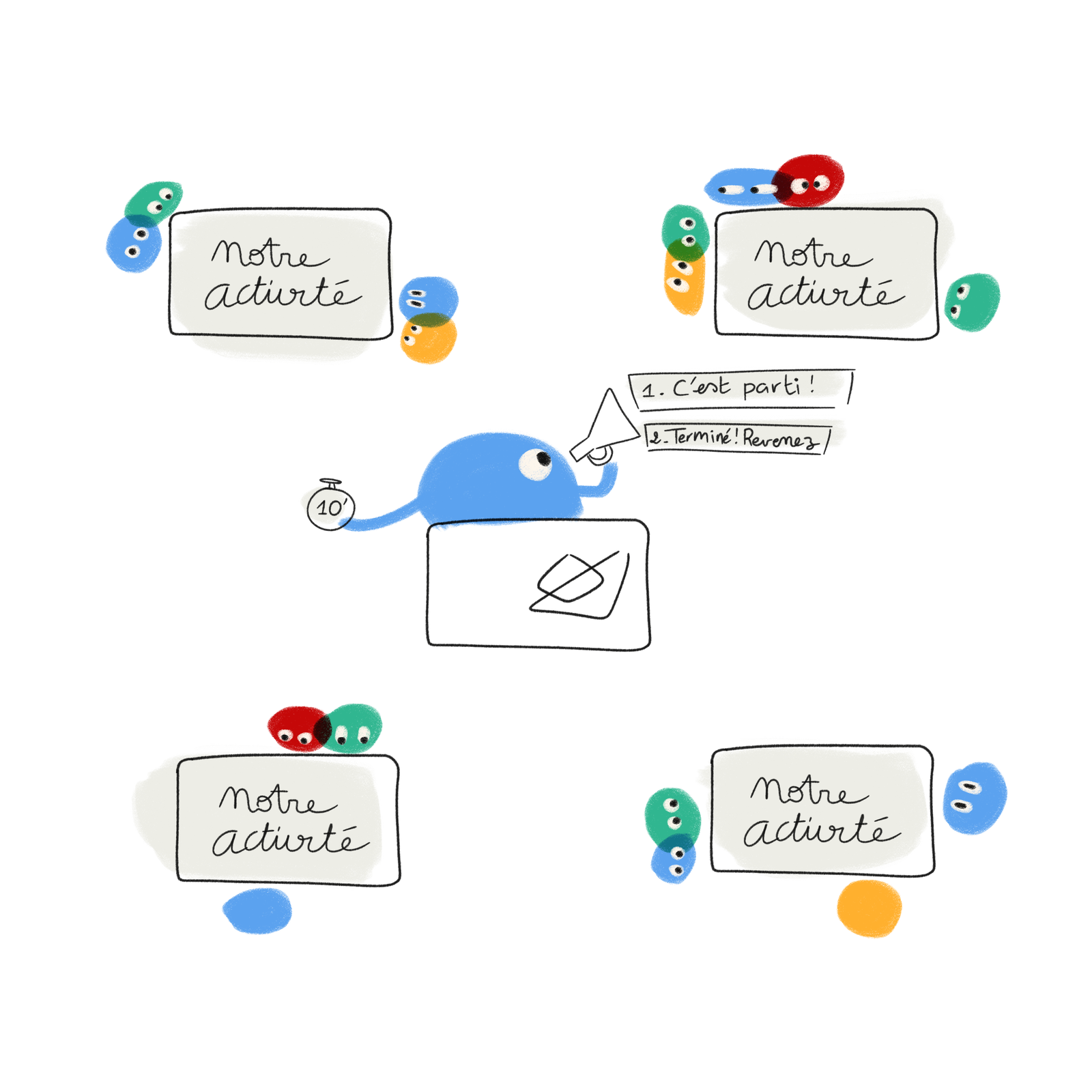
2. Activity: you divide participants into groups at different tables so that they can work on content (PDF, Collaborative Note, Whiteboard...) or exchange ideas orally. Rights are thus extended to Content interactions + speech. Add a timer to enable participants to know how much time they have to complete the activity. Add an announcement at the start of the activity to launch it and another at the end to ask participants to return to the main table.
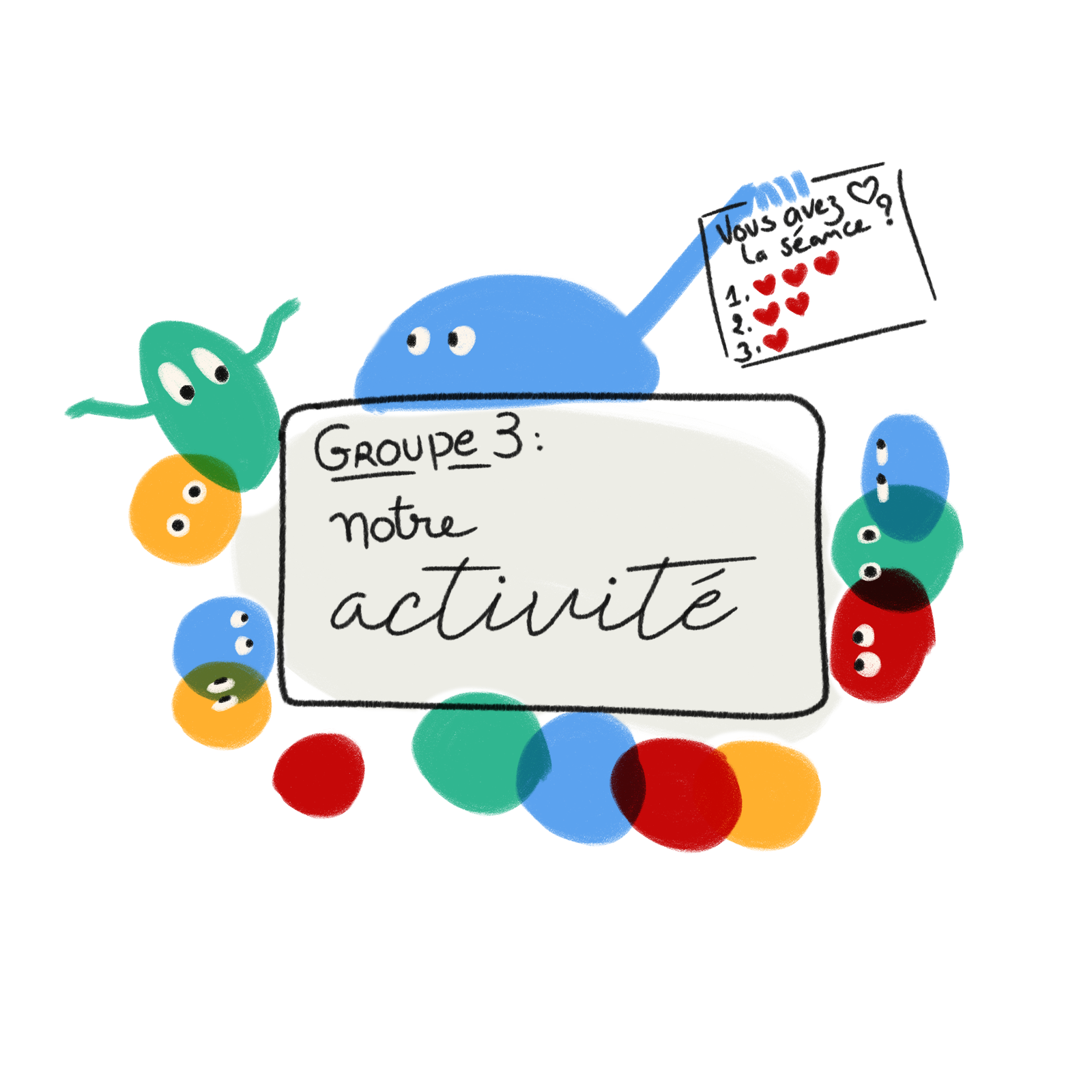
3. Debriefing: at the main table, you debrief the activity either orally or by projecting the work of the different groups using the Content folder in the Table Library area, or using the PDF you projected in step 1. Participant rights are again restricted to Speech only . To conclude, launch a session evaluation poll.
Benefits of using a 3-step process
- Less stress during facilitation: everything is ready in advance (documents, participant rights, announcements), so you can concentrate on your participants.
- A complete trace of the session: you have access to an automatic summary containing all documents, attendance times and the video recording. You can even ask AI for a structured report with key points and action plans.
- A reusable sequence: design your workshop once, then replay it as many times as necessary. Like the 3-step structure? Simply duplicate your sequence and replace the content to adapt it to a new session.
3 steps in action
Going further
Once you've got the hang of running a three-step session, why not enrich your basic sequence? Here are a few ways to go further:
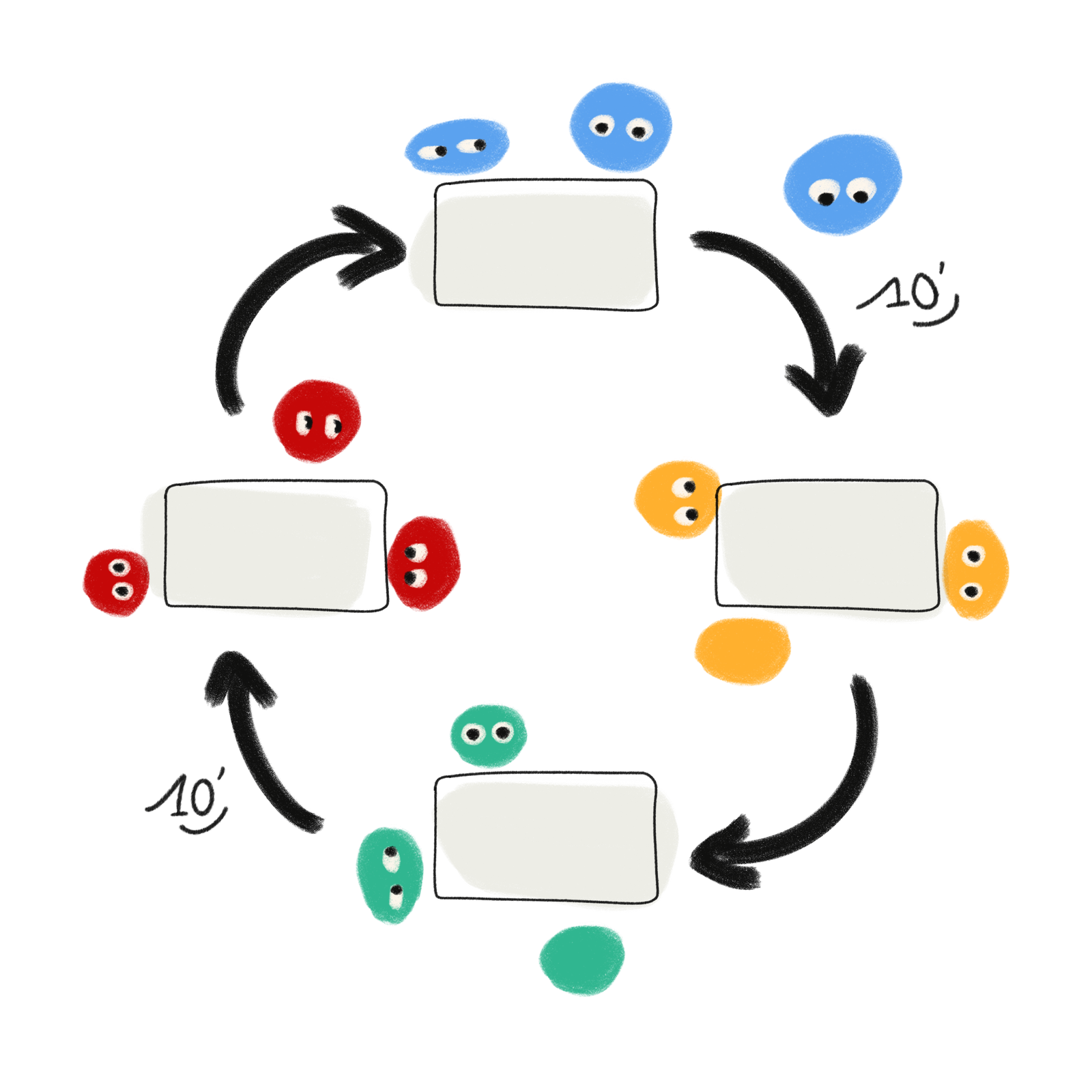
- Evolve the activity phase: transform it into "rotating tables", where participants change tables every 15 minutes.
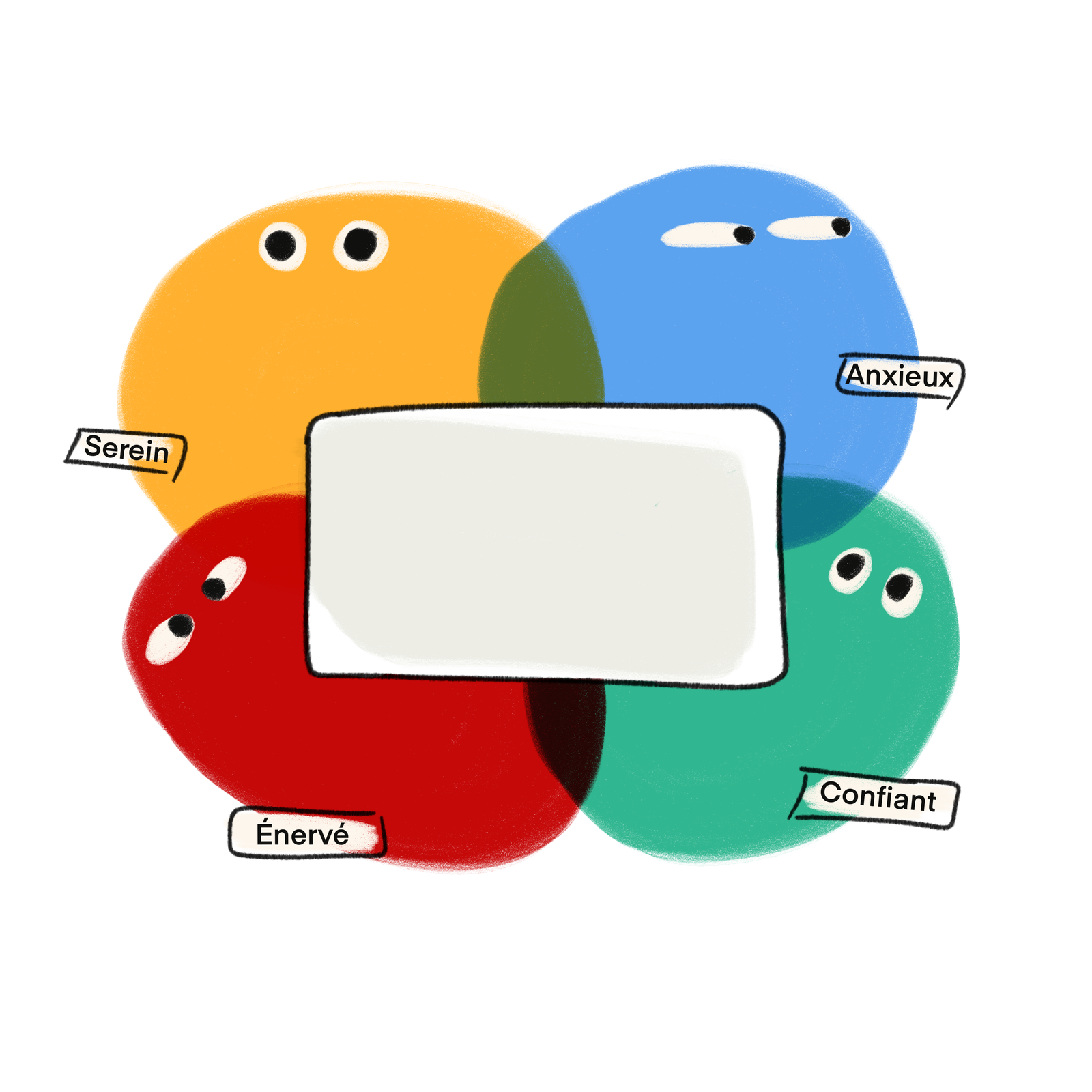
- Add an ice-breaker: start (or end!) the session with a bonding phase. Use our ice-breaker mats at the main table to collect participants' feelings of the day or a particular what they think about a particular theme.
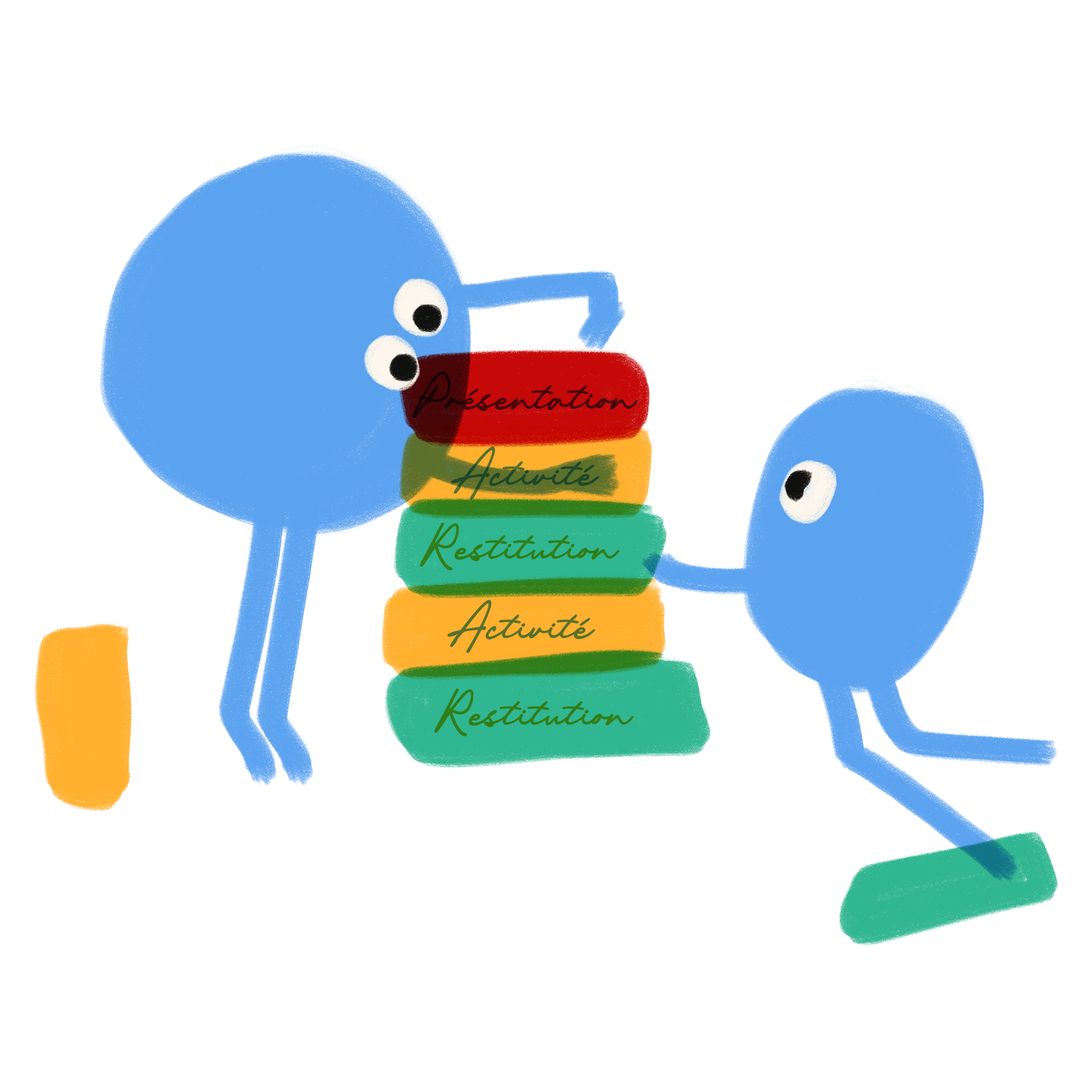
- Plan several activities: do you have two activity times? Simply duplicate steps 2 (activity) and 3 (feedback), then integrate the new content. Simple and flexible.