
Get inspired and download the sequence templates created by the team, our partners (Thiagi Group and Liberating Structures) and our ambassadors. To find out how to use our templates, visit the  Import/Share a Sequence.
Use the different views to facilitate your search. Then click on an activity to open its file and download the sequence.
All Sequences

Thiagi Activities

Liberating Structures

Ice breaker

Ambassadors Sequences

Creators Sequences

Glowbl Sequences
Pages
Identify key information in a complex document. This activity facilitates the management and application of a complex document. Each participant receives one page of a complex document. Participants with the same page select three important elements from it and report back. New groups are then formed, each with an ambassador from each page. The members of each group then select the three elements they consider to be the most important from all the pages before reporting back.
De Bono's Express Hats
Quickly explore a situation or problem in a creative way. During the session, participants approach a situation or problem from six different perspectives. They divide into groups, with each group adopting a "hat" that represents a particular way of thinking (WHITE Hat = Neutrality; RED Hat = Emotion; BLACK Hat = Pessimism; YELLOW Hat = Optimism; GREEN Hat = Creativity). A group discussion then follows, allowing the situation or problem to be thoroughly explored by all participants.
Troïka
Explore an individual challenge by obtaining immediate practical and imaginative assistance. This activity helps participants gather relevant ideas about problems they face and mobilise local wisdom to address them. Through rapid iterative “consultations”, individuals formulate their requests for help and immediately receive advice from two other people.
Catchphrase
Memorise the key idea of a piece of content by summarising it in the form of an easy-to-remember sentence. This activity aims to highlight the main idea contained in a short text (adage, aphorism, axiom, slogan, epigram, proverb, conclusion, tagline). The facilitator presents the content of the text and invites participants to examine it. Participants then work individually to create a catchphrase that summarises the content. The facilitator collects these slogans, selects four or five, and conducts a poll. Participants vote for the most memorable catchphrase.
Letters & Numbers
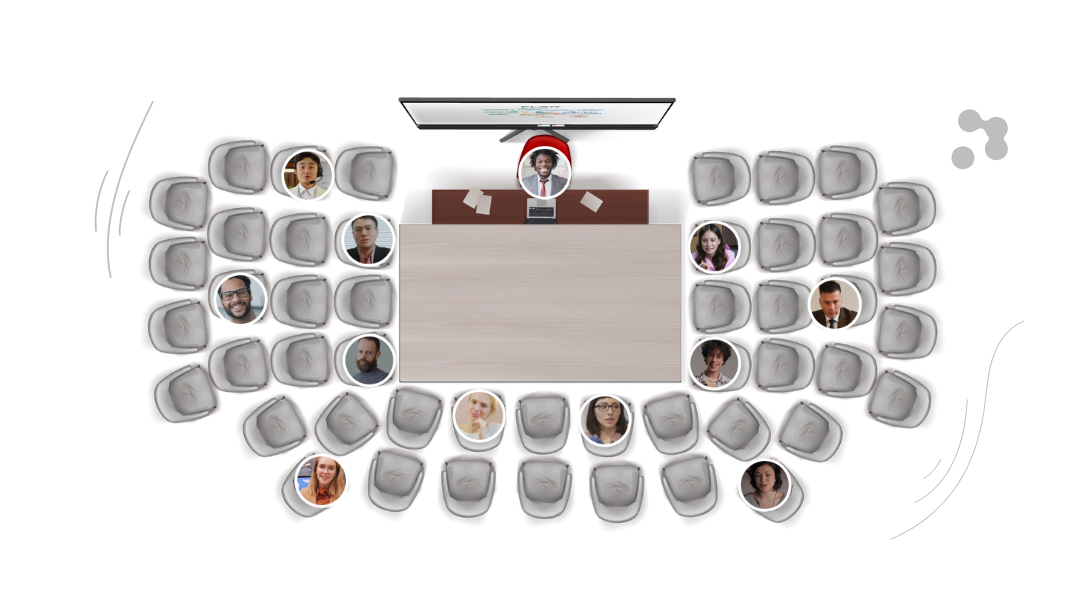
Generate solutions that will appeal to various stakeholder. During this activity, a theme is explored from various perspectives. Participants first join a team representing a specific stakeholder to explore it by answering several questions. Then, participants form committees, each including a representative from each stakeholder group, and respond to the questions again, aiming to reach a consensus. This activity promotes communication, collaboration, decision-making, problem-solving, and adaptability.
Precautions
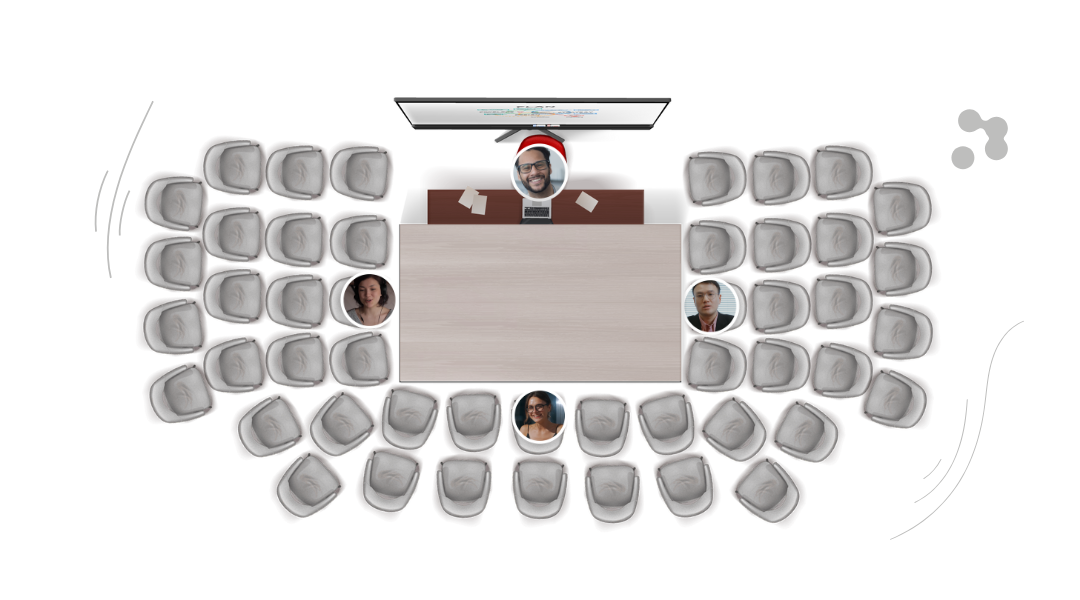
Identify the potential drawbacks of implementing a council. During this activity, participants question a piece of advice they might receive in their professional environment. They then suggest appropriate precautions to reduce and eliminate its drawbacks before selecting the best precaution in their opinion. Carrying out this activity helps to reduce the negative consequences of implementing advice without careful consideration.
Envelopes
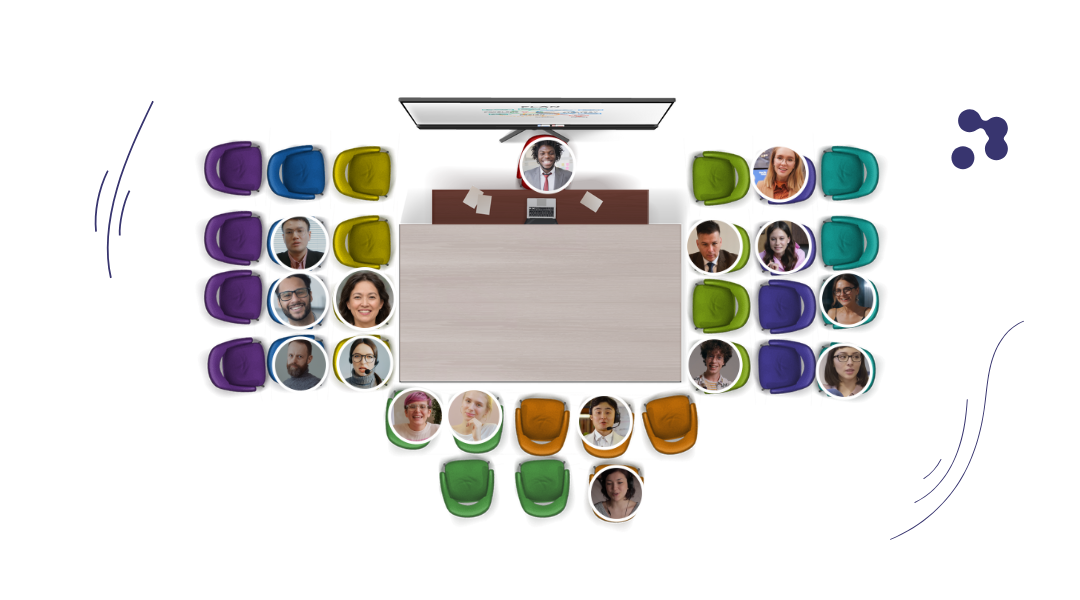
Generate ideas for solutions to different problems. In this activity, participants are divided into teams which tackle a topic through a series of related issues. Each team takes it in turn to deal with each issue, listing as many possible solutions as possible. The teams do not have access to the lists drawn up by the previous teams until the final round, at which point they analyse them and award points to rank the solutions. At the end a restitution enables the group to calculate the points collected by the teams and determine the winning one.
All Line Up
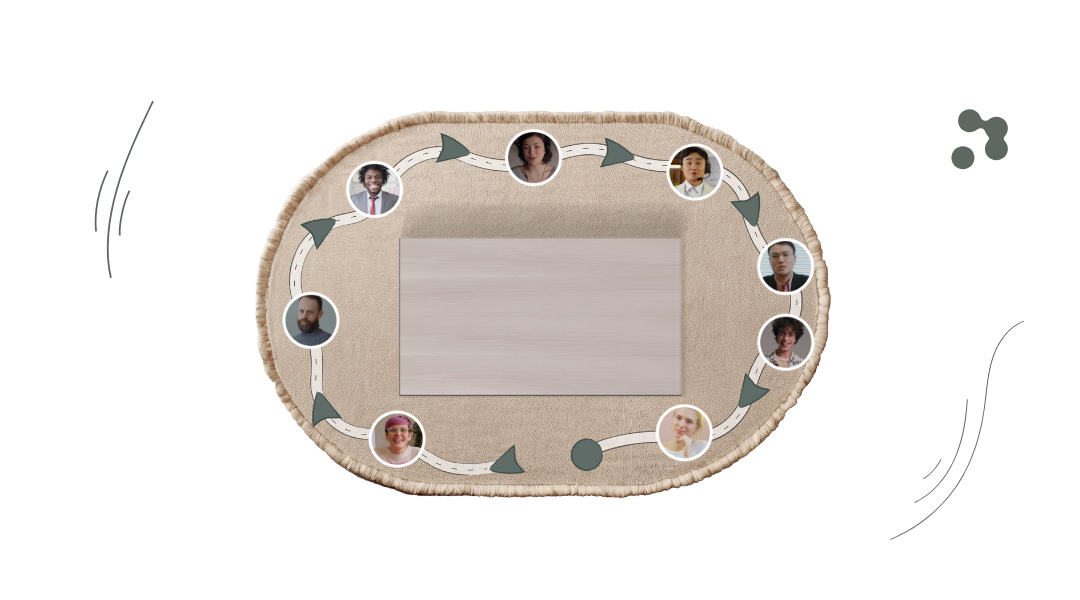
Building relationships by creating a friendly atmosphere. All Line Up is a fun visual activity that encourages sharing and exchanging anecdotes. It is based on interaction between participants. During this activity, participants are divided into groups of six. Within each group, they must position themselves in a line relative to each other according to instructions given by the facilitator. This activity helps to strengthen bonds within a group and energise it at the start of a session.
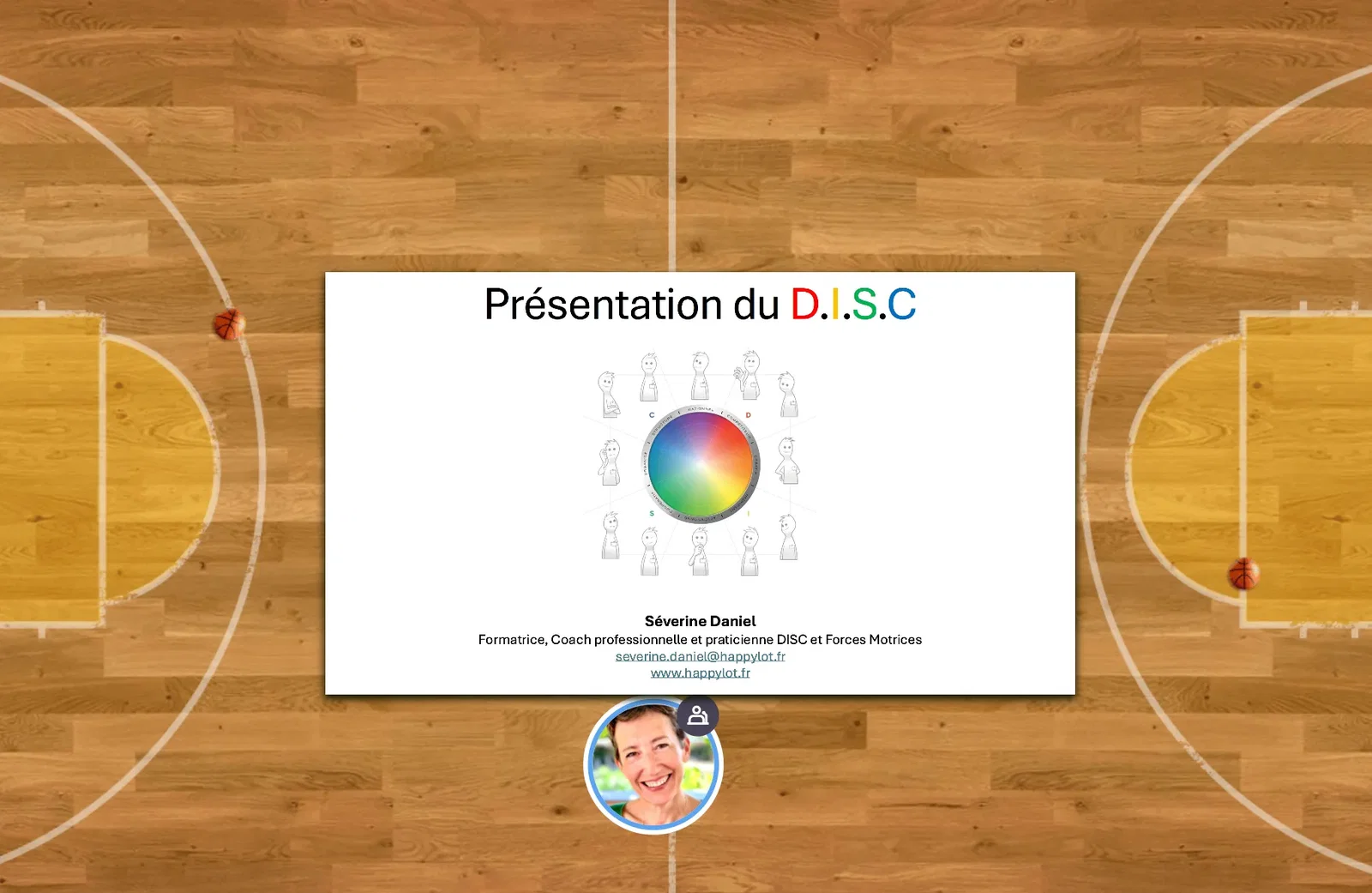
DISC Workshop
Explore the four behavioural styles of the DISC model in a fun and interactive way. During this workshop, participants discover the four behavioural styles of the DISC model with the aim of: - better understanding their own behavioural style and that of others in order to anticipate reactions and needs; - adapting their communication style to suit the behavioural style of those they are talking to; - reducing tension by addressing disagreements with greater mutual understanding.
9 Why's
Analyse a personal issue in relation to a team challenge to understand the motivations and underlying reasons behind it. This activity helps uncover deep motivations and core values on an individual level to clarify each person's impact on a team challenge. The 9 Why's method examines a challenge a group is facing by encouraging participants to explore one of their own issues related to it. Pairs are formed, and participants question each other's issue by asking "Why?" 9 times. Participants then share their clarified issue with everyone. Then the group clarifies the aim of the collective work to be done.
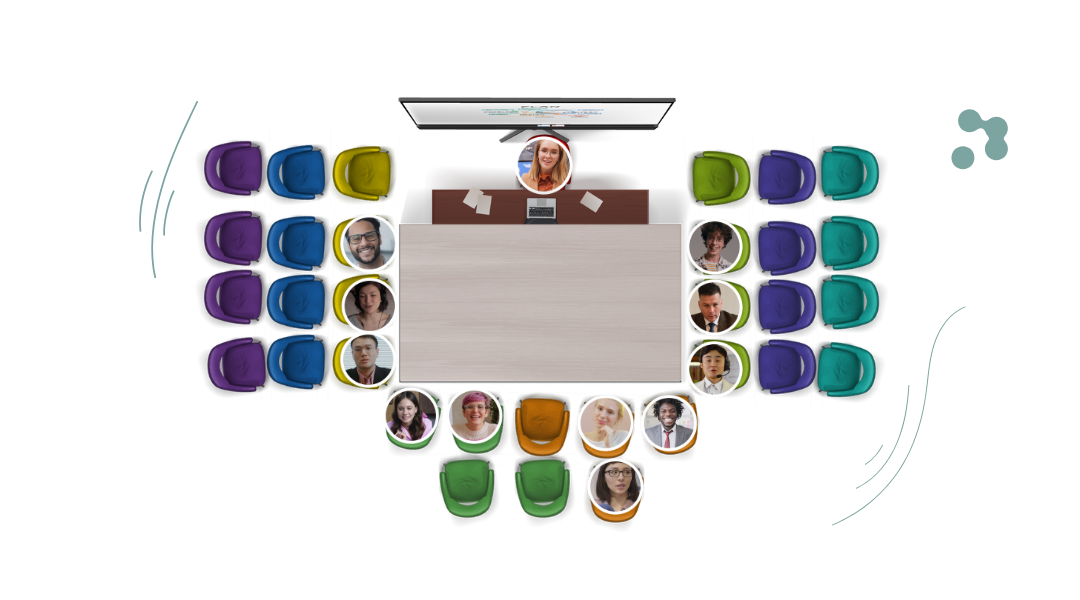
Common Ground
Building connections to unite a group. During this activity, participants are divided into teams to discuss and identify all their commonalities. Each team then selects the most original commonality before presenting it to the rest of the group. At the end of the activity, participants vote for the most original commonality among those presented by the different teams.
CODEV
Solve a problem by harnessing collective intelligence. CODEV is a collective intelligence facilitation method that promotes the improvement of practices through group sharing and learning. This activity enables participants to collaborate openly and constructively to solve a problem. During the activity, participants propose situations that they find challenging and wish to resolve. One situation is selected, and the participant who proposed it becomes the client. The others become consultants and help explore the situation and find solutions.
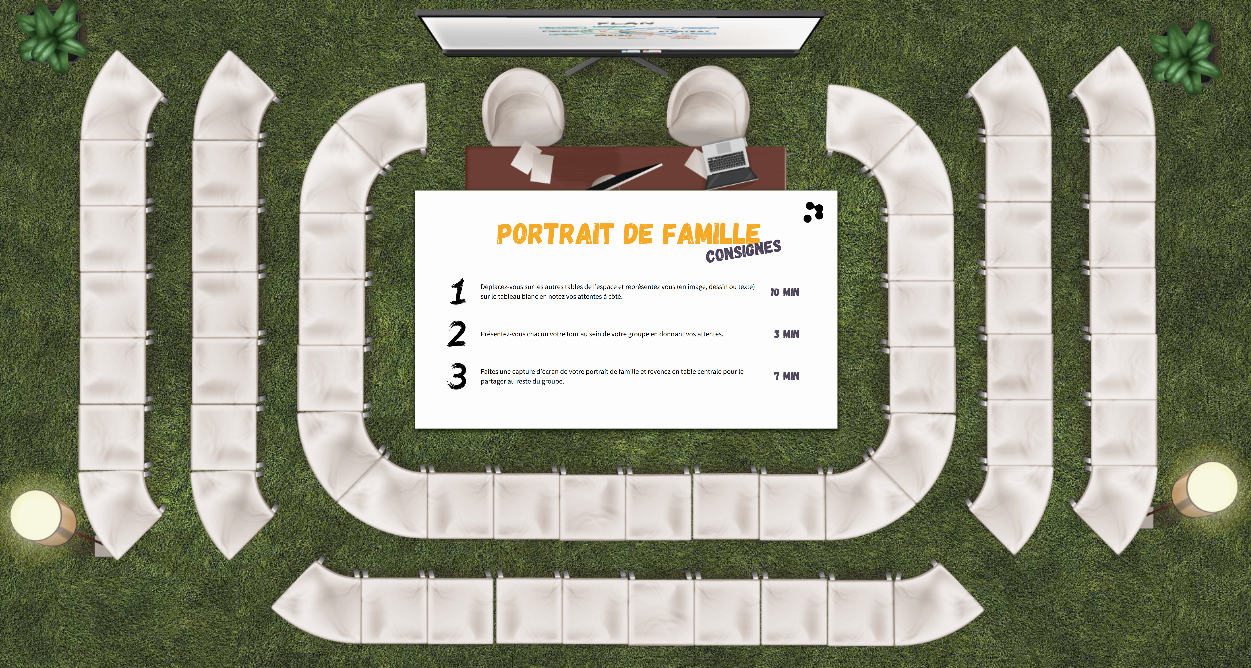
Family Portrait
Promote inclusion, create a sense of belonging and foster an environment conducive to dialogue. In 30 minutes, participants create a creative self-portrait to introduce themselves to others in a fun way, indicating their expectations for the workshop, event or training session that will follow. The creations are then assembled to form a large collective ‘Family Portrait’.
The Coat of Arms
Summarise what has been learnt during a sequence by collectively and then individually representing the concepts that have been understood, retained or need clarification, through the creation of a symbolic coat of arms. As a debriefing activity at the end of a sequence or training course, the coat of arms ensures that participants do not leave feeling jaded. It provides a collective and individual opportunity to review the content, reinforce key concepts, identify areas of misunderstanding and symbolise the journey. This process consists of four rounds, which can be adapted according to the number of topics covered. It encourages expression, reflection and memorisation.
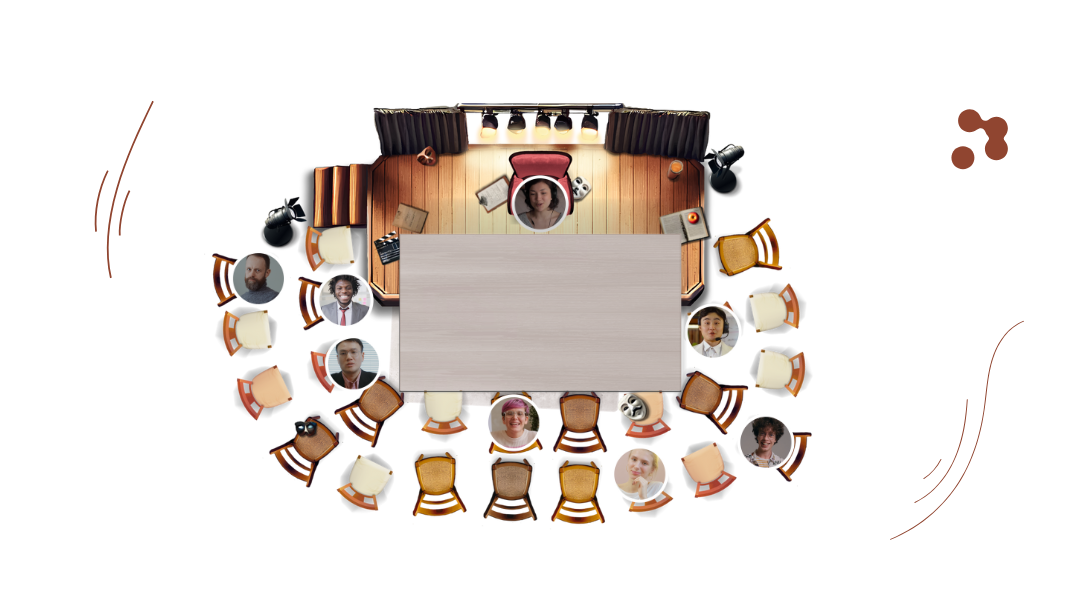
Improvised Roleplay
Prepare for a difficult situation by simulating it and drawing up a checklist of best practices. Participants improvise a role-play based on a given situation. They are divided into groups of three. In each group, two participants act out a given situation while the third observes. The roleplay lasts three minutes. The observer then shares their constructive feedback. The scene is then replayed, taking the feedback into account. This cycle is repeated one last time to refine how the situation is handled. At the end of the three rounds, each participant draws up a checklist of best practice.
Educational AI Hackathon
Prototyping an AI assistant designed for synchronous educational animation, based on real-life cases from the field. During this two-hour collaborative workshop, participants, organised into teams, identify specific needs related to their practices, draft a structured prompt, define the assistant's contributions, and then present their prototype to a jury. The activity combines collective intelligence and generative AI with a view to transforming teaching methods.
Two or Nothing
Review knowledge acquired during a previous session. This activity is an instructional wake-up call to reactivate knowledge. After a brief explanation, participants are divided into pairs to answer one or two questions (open and closed). They then prepare their presentation, citing their sources. Finally, each table presents its answers, encouraging discussion and collective validation.
Triz
Resolve counterproductive activities/behaviours by exploring one of the undesirable outcomes of an idea. This activity helps participants explore one of the undesirable outcomes of an idea in order to abandon practices that may limit their success. TRIZ allows participants to safely challenge sacred cows and encourages ‘heretical thinking’. The question ‘What do we need to stop doing in order to make progress towards our deepest goal?’ encourages both serious fun and very courageous conversations.
W3 - What ? So What ? Now What ?
Analyse a shared experience and decide on adjustments to be made. This activity allows groups to reflect on a shared experience. The step-by-step progression provides structure and encourages each participant to express themselves. During the ‘What?’ stage, participants gather facts. Then, in the ‘So what?’ stage, they grasp their meaning. Finally, in the ‘Now what?’ stage, they decide on the actions to be taken. This collective process eliminates most of the misunderstandings that would otherwise fuel disagreements about what needs to be done.
Essence
Memorise content by condensing it into a punchy 4-word summary. This activity helps participants to extract and memorise the main idea of a piece of content. After discovering the content in advance, they gradually summarise it in 16 words, then 8, and finally 4 words. This approach sharpens their ability to summarise and helps them retain essential information.
15% Solutions
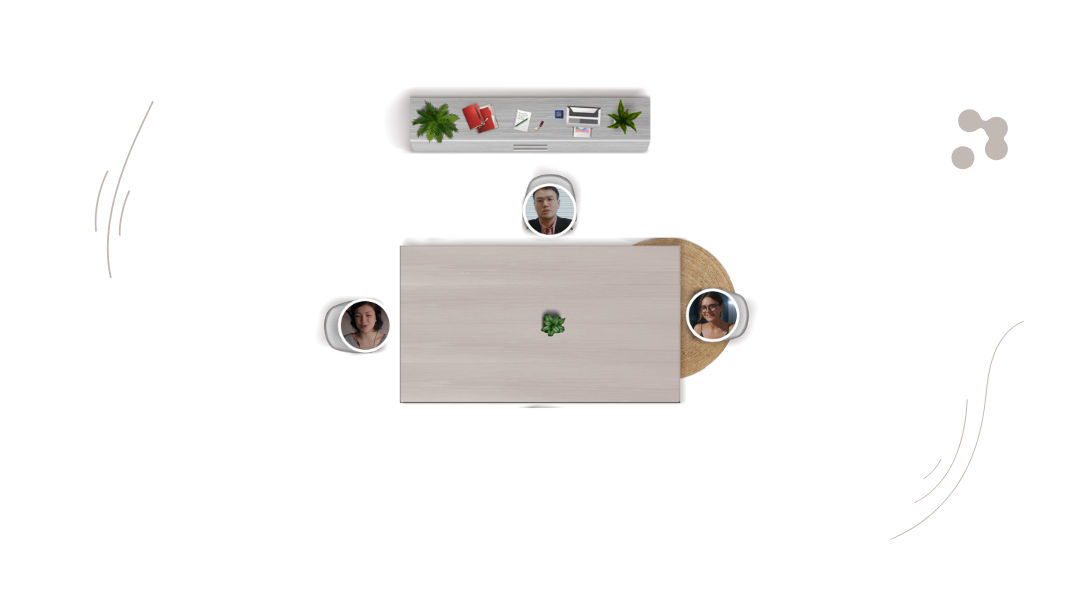
Solve an individual or collective challenge by listing actions that can be implemented immediately. This activity helps to uncover, around a question related to an individual or collective challenge, the initial steps towards resolution by identifying actions that can be initiated immediately. Each participant first creates their own list of 15% solutions and then shares it within a small group. In return, other group members question the solutions and provide feedback. By the end of the activity, each participant should leave with a clarified list of actions to implement.
Fishbowl
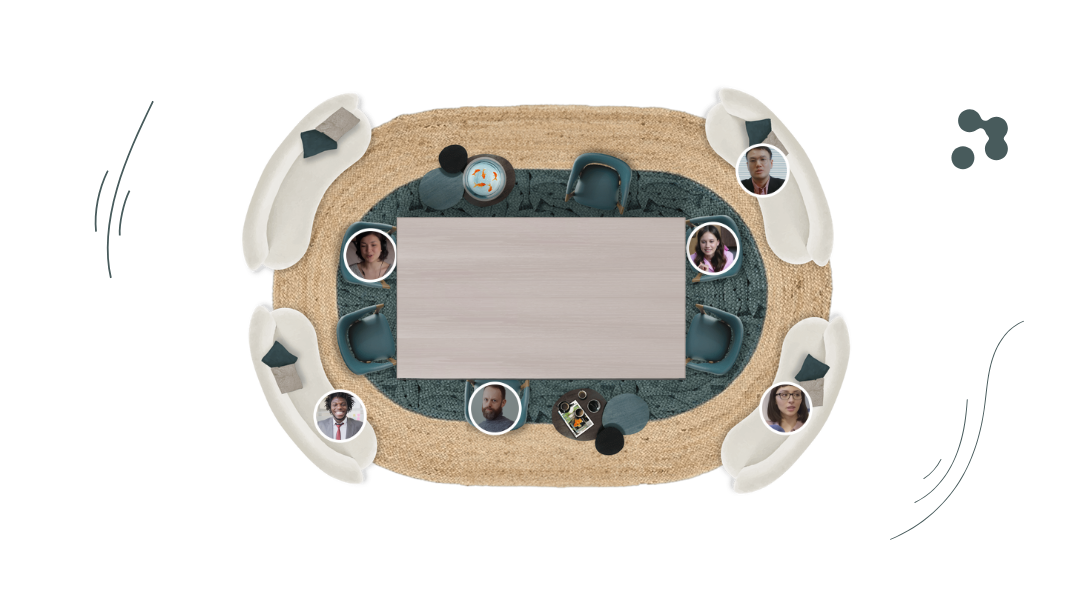
Sharing expertise gained from experience. During this activity, a small group of participants with a common issue help others understand what is happening in the field by sharing their experiences. Two circles are formed. First, the small group, forming the inner circle, exchanges ideas informally while the participants in the outer circle observe them. Then, after pooling their observations, the participants in the outer circle ask them questions.
Cross Presentations
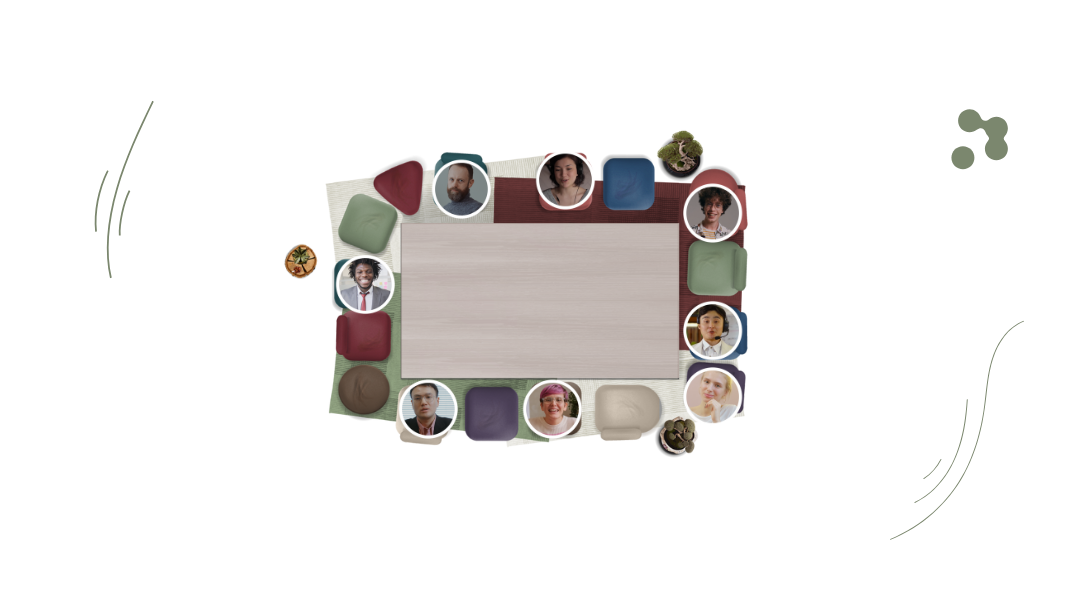
Build relationships by getting to know each other in a fun way. This activity encourages participants to get involved and interact with each other right from the start of a session. It strengthens team spirit and group cohesion, and simply allows the session to begin in a more relaxed atmosphere. First, participants pair up and ntroduce themselves to each other according to criteria established in advance by the facilitator. Then, as a large group, each person is responsible for introducing their teammate.
The Shifting Debate
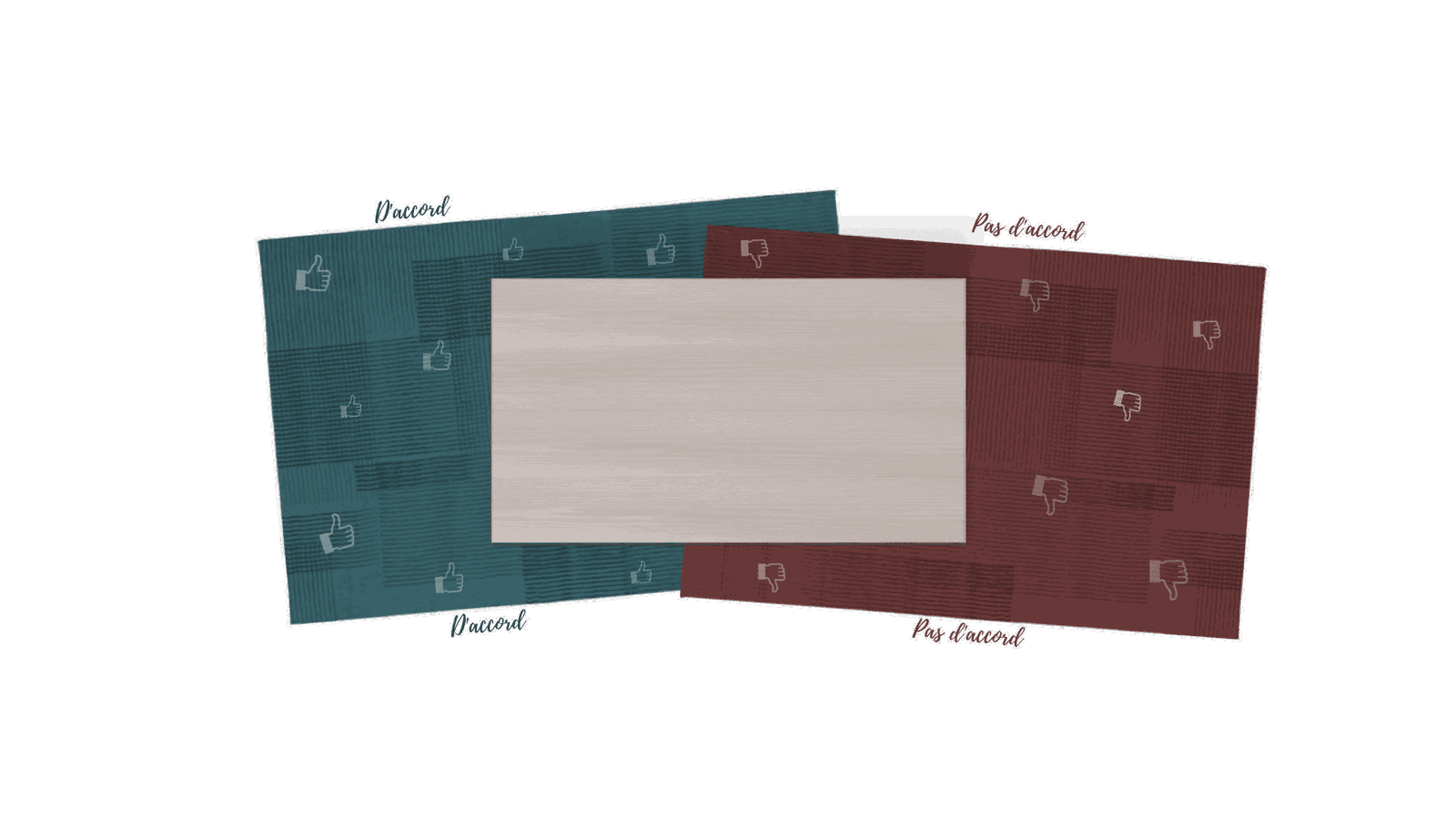
Expressing one's opinions, listening to those of others, and enriching one's thinking by physically positioning oneself in the space according to one's agreement or disagreement with a statement. The Shifting Debate is an activity that encourages collective expression and reflection. It involves presenting participants with a statement, and they must physically position themselves in the room according to their level of agreement or disagreement. This positioning allows for a reasoned exchange. Everyone can defend their point of view, listen to others and change their position. The aim is not to convince, but to understand and build a common reflection based on the diversity of opinions.
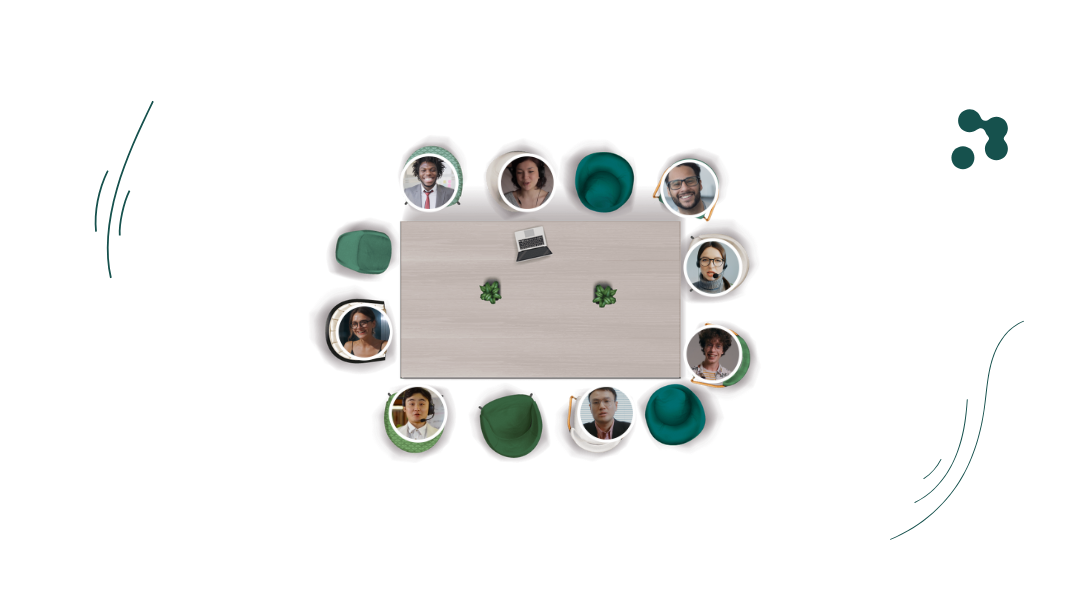
Collaborative Opening
Identify attitudes and/or knowledge regarding a subject. This activity requires identifying four questions related to the topic in advance. During the activity, participants are divided into subgroups to answer one of the four questions. They then move on to the next question until all questions have been addressed. This activity is used both to analyse needs and to assess participants' knowledge, awareness and attitudes towards the topic at hand.
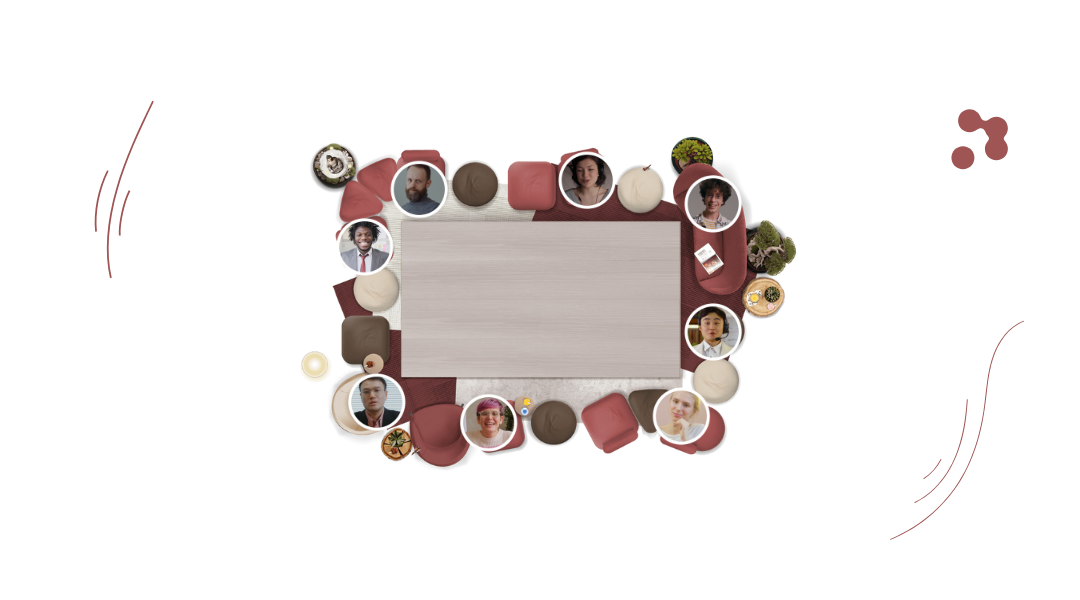
Appreciatives Interviews
Identify the primary causes of success to draw inspiration from them. This activity encourages participants to focus on positive and successful experiences in their work or team. In pairs, each person shares a story about a successful situation they experienced, explaining what made it possible. These stories are then shared with the group to identify common success factors and inspire future practices. This approach strengthens relationships, creates a climate of positive energy, and helps replicate the conditions that lead to success.
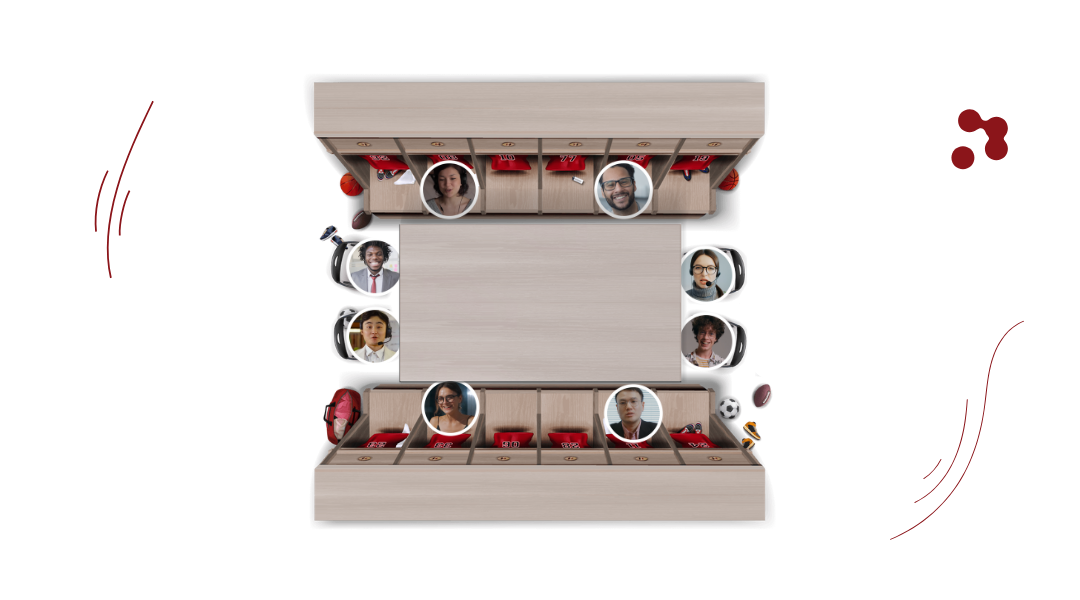
Retroaction
Analyse failures and successes to learn from them. Following an event, the Retroaction activity, involves analysing and sharing the positive and negative aspects of an event in order to learn lessons for the future. This activity begins with general and individual feedback on past experiences, followed by a more in-depth group analysis. The final part is devoted to identifying areas for improvement and implementing concrete actions for progress.
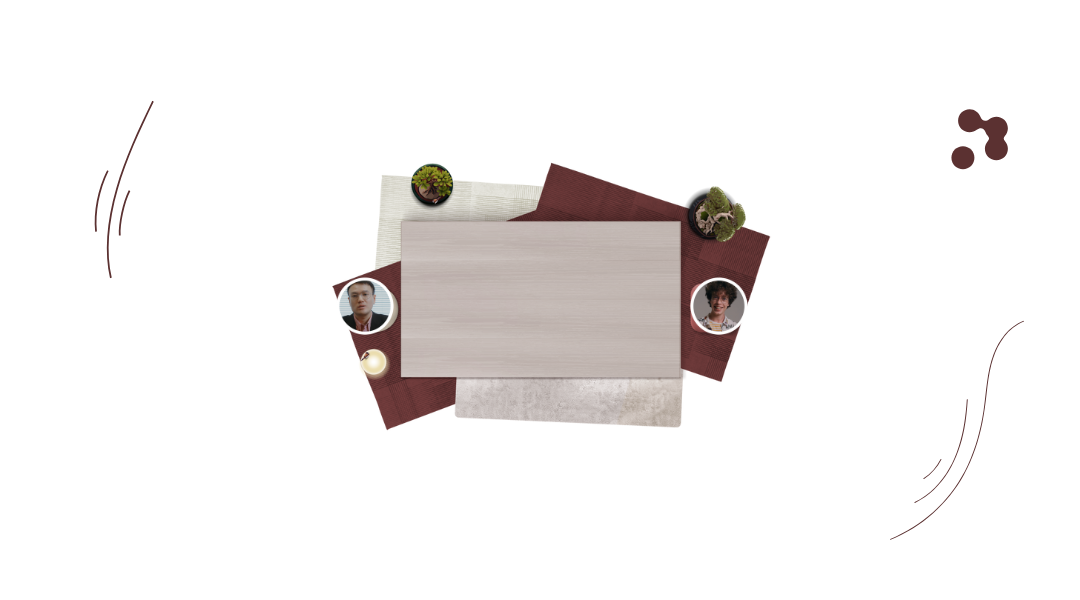
Impromptu Networking
Build relationships by quickly sharing expectations and challenges. Impromptu Networking is a speed networking activity where participants pair up to discuss their challenges, expectations and contributions. Organised in three rounds of 4 to 5 minutes, with 2 minutes per person, it encourages encounters between strangers or colleagues from different departments. It takes place in an open space that allows for fluid movement, ensuring active and balanced participation for all.
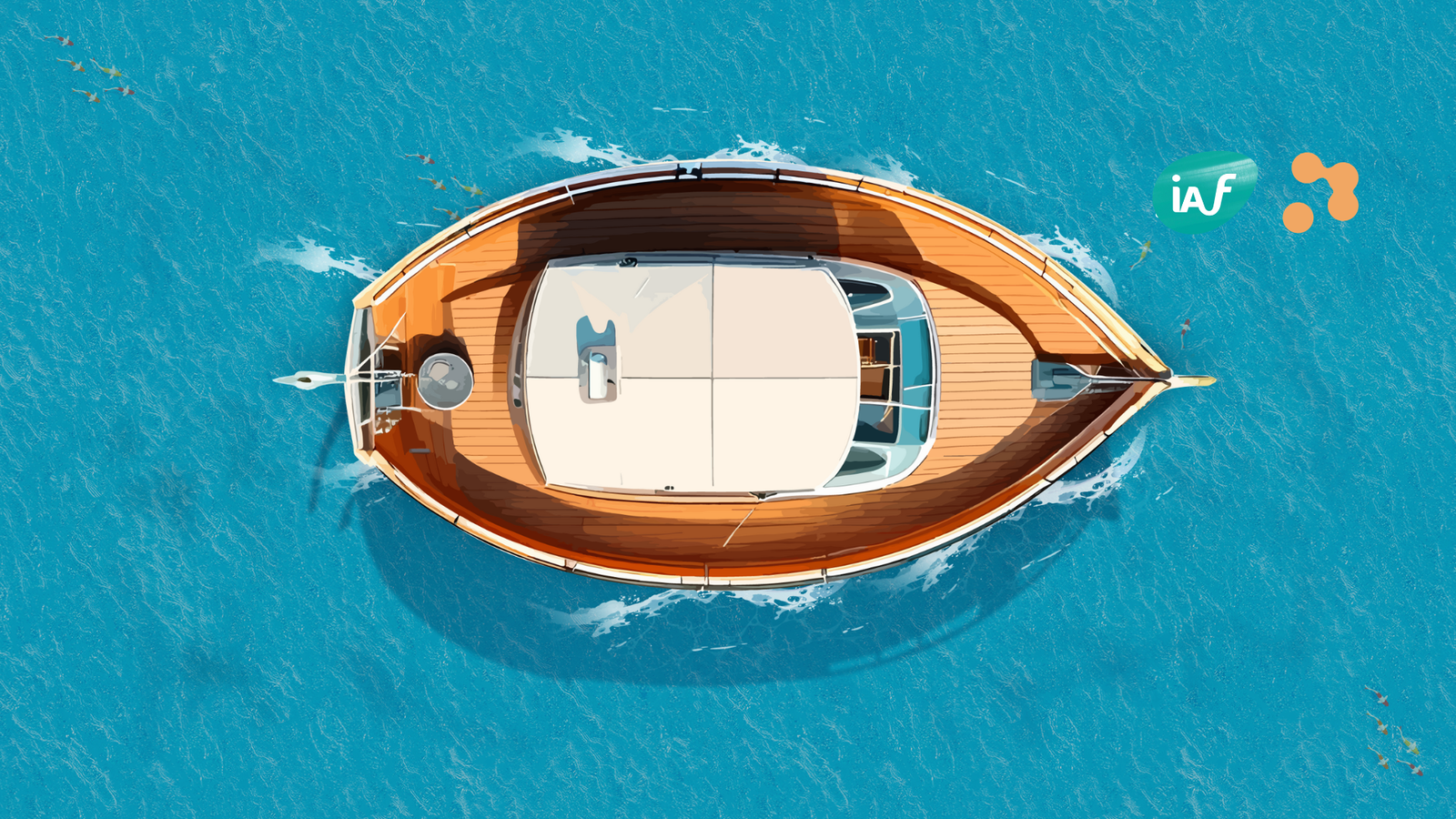
Speedboat
Identify the obstacles and drivers of a project. This fun, visual activity is designed for groups working on a joint project. Participants imagine their project as a boat sailing towards a goal symbolised by a lighthouse. They identify obstacles (anchors and rocks slowing their progress) and drivers (wind and sun facilitating progress), first by analysing the current situation, then by looking ahead to the future. At the end of the activity, an action plan is drawn up based on their reflections.
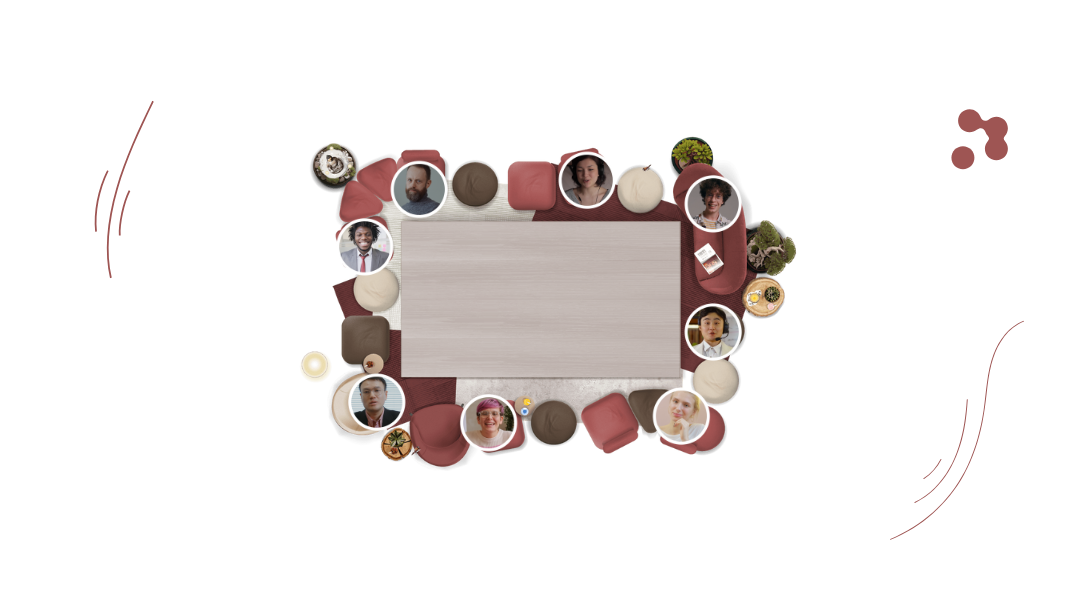
1-2-4-All
Explore an idea or problem by drawing on collective intelligence. This activity allows for the exploration of an idea or problem. During the process, a question stemming from the idea or problem is posed. Participants first respond individually, then share their response in pairs, followed by group discussions, and finally engage in a full group discussion. Implementing this activity encourages active participation from each individual, provides opportunities for in-depth exchanges in small groups, and concludes with a broader discussion.
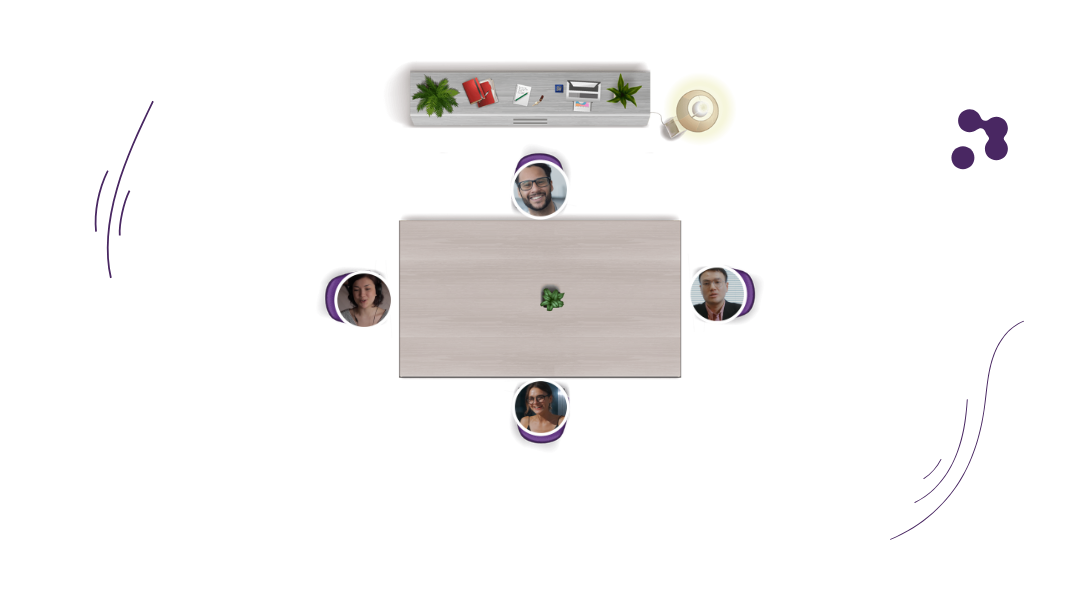
Team Quiz
Memorise the key points of a set of content by answering closed and open questions. This activity requires that new content be introduced to participants beforehand. It encourages participants to review the main points of this content. During the activity, participants will work in teams to prepare closed and open-ended questions based on the notes they took while discovering the content. Then, a quiz is organised between the teams based on their questions.
The Art of Listening
Develop active listening and empathy skills through guided practice in pairs. This activity provides a supportive setting for experimenting with empathic listening. After a welcome and centring session, participants split into pairs. Each person takes turns to speak freely for 15 minutes, while the other listens, using various rephrasing techniques. Each sequence is followed by a feedback session to reinforce learning. The workshop ends with a collective summary and a round of comments.
World Cafe
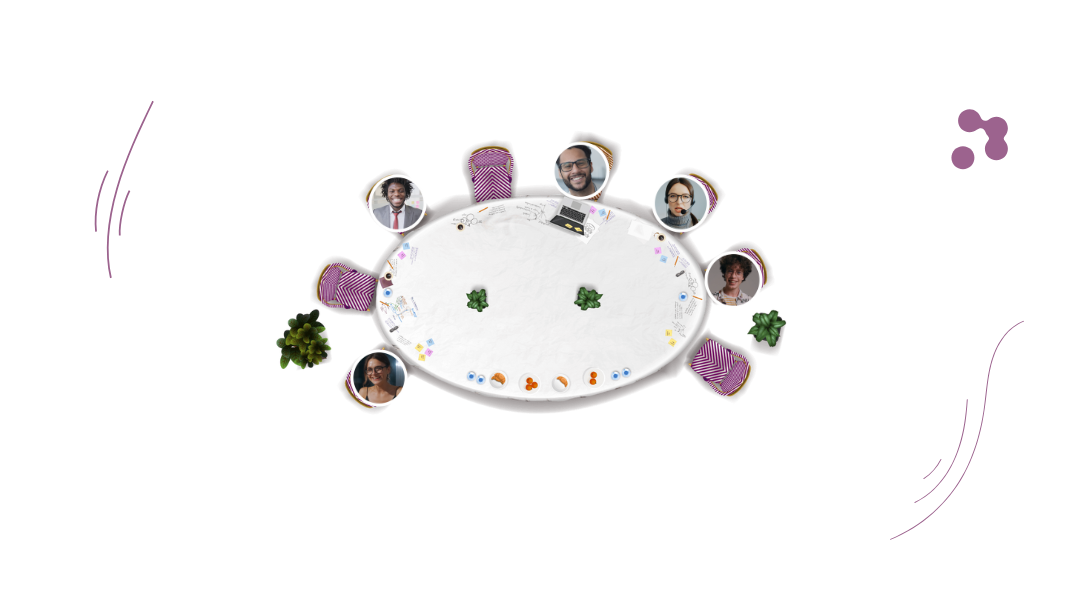
Generate innovative ideas. During this activity, a chosen theme is discussed. Participants are divided into small groups around tables to discuss open questions related to the theme. Each table has its own question and a host participant who guides the discussions. The small groups discuss for a set period of time before moving to another table to discuss another question. Several rotations take place. Then, a summary is made in plenary to identify common themes.
De Bono's Thinking Hats
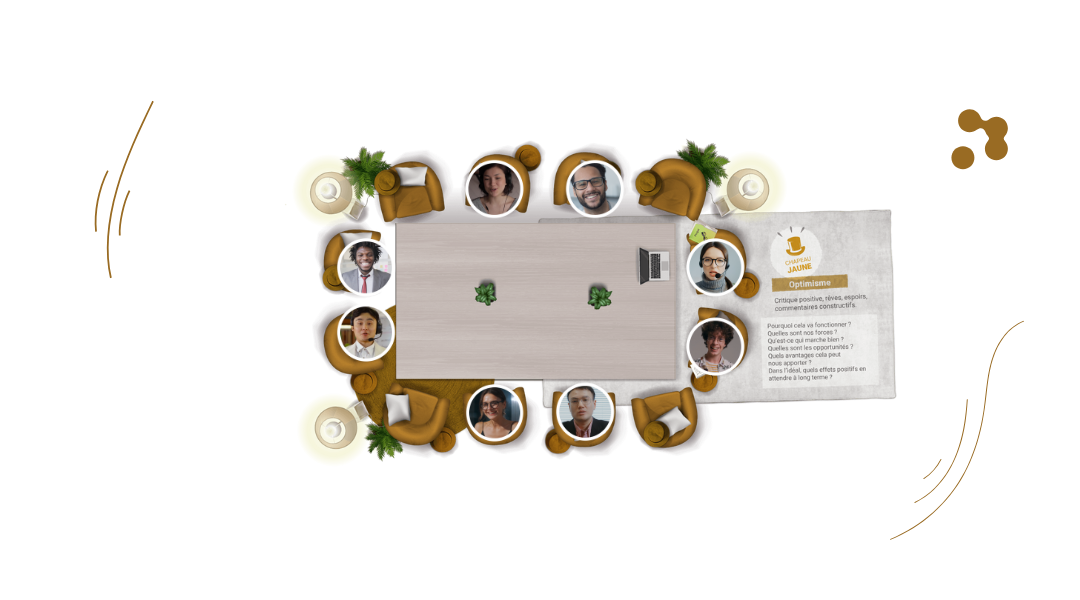
Explore a situation or problem creatively to make enlightened decisions. During this activity, participants approach a situation or problem from different perspectives to explore it in depth. They adopt six hats, each representing a different perspective. Each hat is a different colour symbolising a particular way of thinking (BLUE Hat = Organisation; WHITE Hat = Neutrality; RED Hat = Emotion; BLACK Hat = Pessimism; YELLOW Hat = Optimism; GREEN Hat = Creativity). Implementing this activity encourages creativity and decision-making.